
I have lived in Poznań for more than twenty years.
That is long enough to stop being a tourist, long enough to stop noticing the obvious things, and long enough to understand a little about what makes people tick.
One thing I have never stopped noticing is the way Poles rally around their own.
To be honest, I used to envy it.
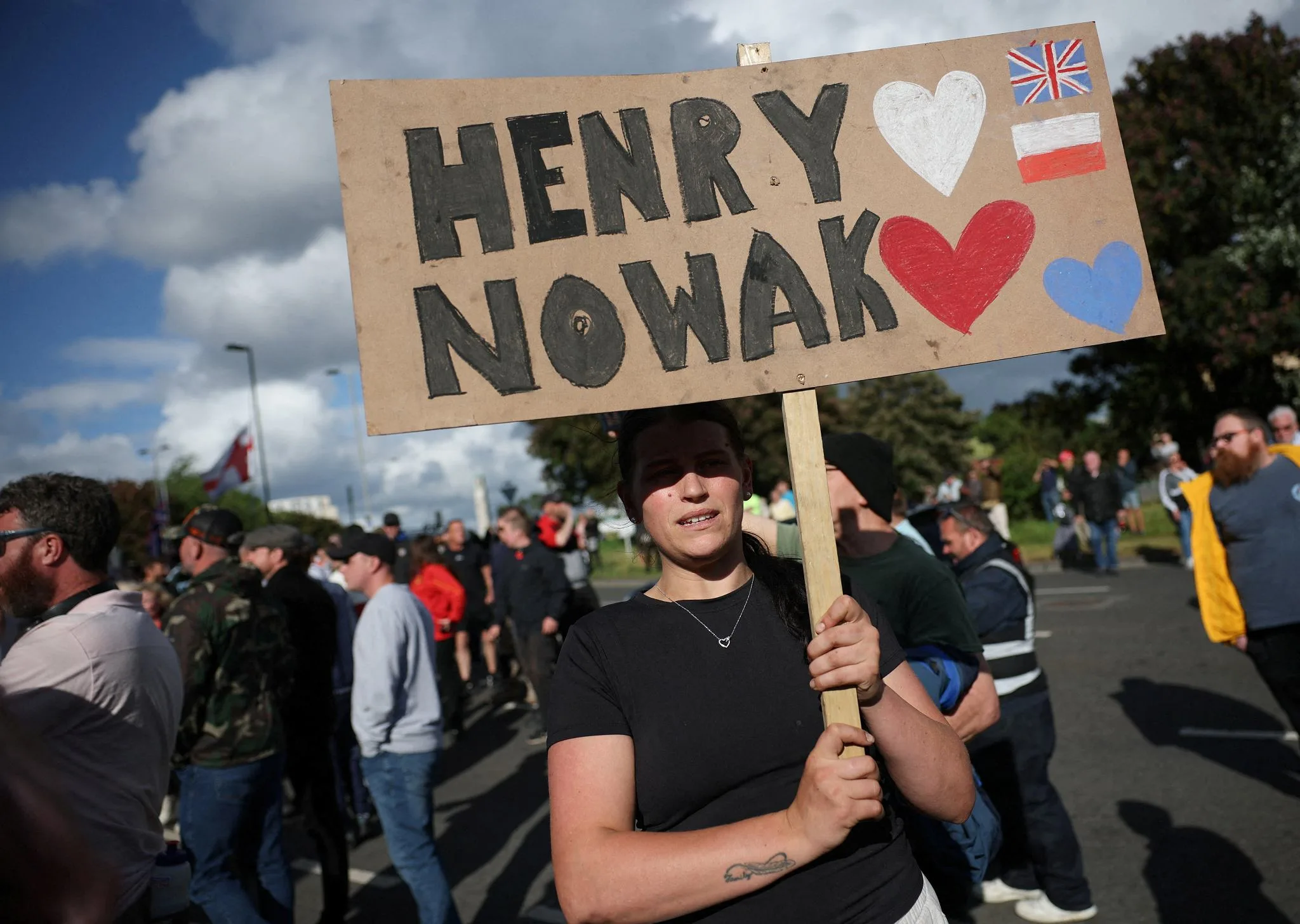
Not in a negative way. More in the sense that I wished more countries still had that kind of loyalty to each other. But its starting to change in the UK. I see it. People no longer stay silent. Its beautiful to see…Poles and Brits marching together side by side.
The murder of Henry Nowak in Southampton brought that thought back to me how it used to be in the UK. Its what made it great!
Like many people, I followed the story with a mixture of sadness, anger and disbelief. A young man with his whole life ahead of him was taken from his family in a completely senseless act of violence. Then came the sentence: life imprisonment with a minimum term of 21 years.
Twenty-one years.
For some people that sounds severe.
For me, and for many others, it sounds inadequate.
Life should mean life.
A young man is never coming home again. His family will carry that loss every day for the rest of their lives. There is no parole hearing for grief. There is no early release from heartbreak.
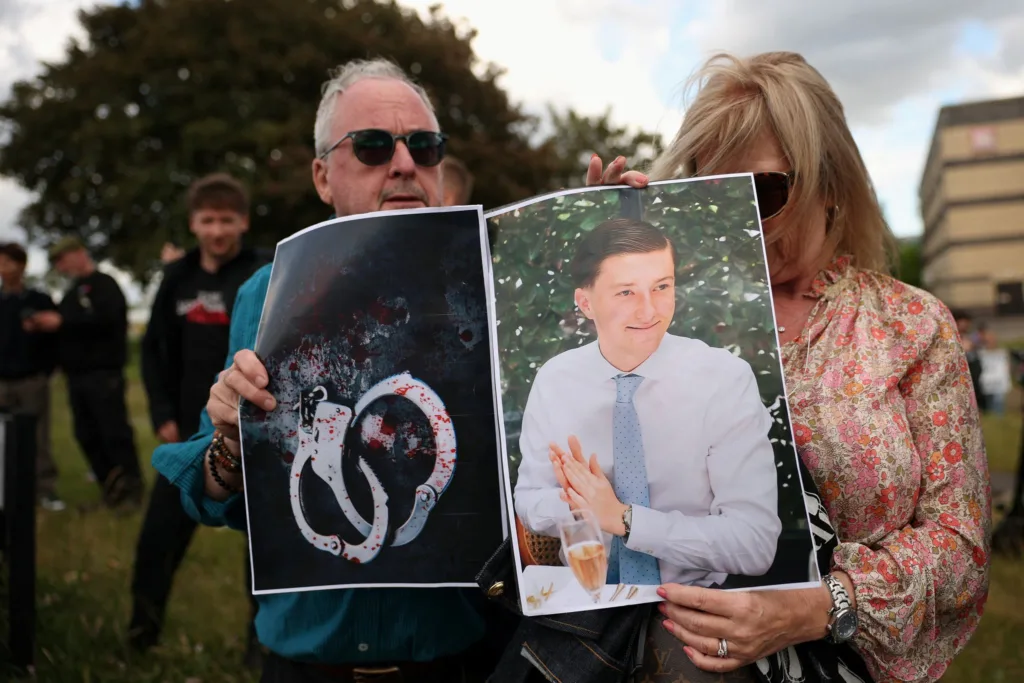
What struck me almost as much as the crime itself was the reaction that followed.
Henry was born in Britain. He was British. But he was also Polish.
And suddenly Polish communities across the UK were speaking with one voice.
People who had never met him felt connected to him.
People who had never met the Nowak family felt their pain.
Protests began.
Vigils began.
Social media exploded.
Some observers seemed surprised.
I wasn’t.
After twenty years in Poznań, it was exactly what I expected.
Because I have seen this spirit before.
I have seen it in moments far less serious than this.
Take the Polish football team.
Every major tournament follows a familiar pattern. Poland gets drawn against a football superpower. The experts predict defeat. The bookmakers predict defeat. Half the country predicts defeat.
Yet when match day arrives, the support is unbelievable.
The stadium is a sea of red and white.
The singing starts hours before kick-off.
The belief never disappears.
I never fully understood it.
My brain would always ask the logical question: why invest so much emotion when you know what is probably coming?
But over time I realised I was asking the wrong question.
The support was never about the result.
It was about standing together.
It was about identity.
It was about saying, “These are our people, and we’re with them no matter what.”
That mentality is now visible in a much more painful context.
Henry Nowak became one of their own.
Not because everyone knew him personally.
Not because they shared his exact life story.
But because they saw him as part of the wider Polish family.
And when one member of that family suffers, the others appear.
That is what I have witnessed over and over again in Poland.
People show up.
Sometimes loudly.
Sometimes emotionally.
Sometimes imperfectly.
But they show up.
As this case gains attention around the world, I find myself wondering whether the anger and sadness currently being expressed by Poles in Britain will spill over into Poland itself.
Twenty years ago, that might have seemed unlikely.
News travelled differently.
Communities were less connected.
Now a story can cross continents in minutes.
A murder in Southampton can become a conversation in Poznań by lunchtime.
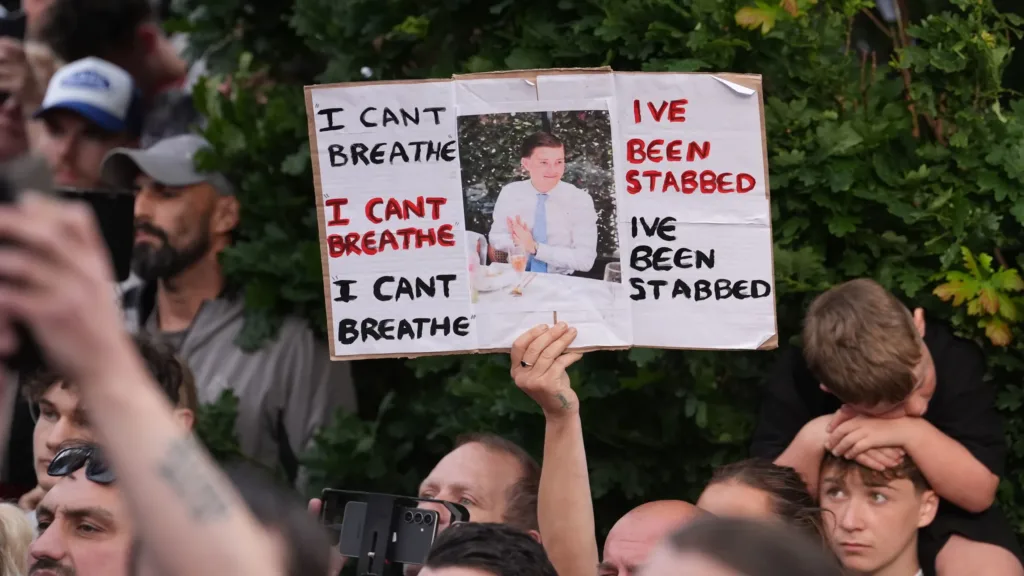
And this story has all the ingredients that resonate deeply with ordinary people: a young victim, a grieving family, questions about justice, and a sense that something precious has been stolen.
Through all of this, however, the people who have impressed me most have been the Nowak family themselves.
I genuinely do not know how they did it.
Listening to their statement after the sentence was handed down, I was struck by the restraint.
The composure.
The dignity.
The self-control.
They spoke with far more grace than I could ever imagine possessing in the same circumstances.
I know myself well enough to admit that.
If someone murdered a member of my family, calmness would not come naturally to me. Wisdom would not come naturally to me. Forgiveness certainly would not come naturally to me.
My first instinct would be revenge.
I suspect many people reading this feel exactly the same.
That is why the family’s conduct deserves such admiration. They managed to channel unimaginable pain into something constructive rather than destructive.
That takes strength.
Real strength.
The kind of strength most people only discover when life puts them through the worst possible test.
So while much of the discussion surrounding Henry Nowak’s death focuses on crime, sentencing, policing and politics, that is not what I will remember most.
What I will remember is seeing, once again, the thing I have been watching in Poland for over two decades.
The instinct to stand together.
The refusal to abandon one of their own.
The belief that community still matters.
For years I never completely understood it.
Today, I respect it more than ever.
And perhaps that is why a phrase that would have sounded strange when I first arrived in Poznań now makes perfect sense to me:
In a world that often feels increasingly divided, be like Poland.


I have to show my appreciation to you for bailing me out of this type of difficulty. Just after surfing around throughout the online world and getting solutions that were not beneficial, I thought my life was gone. Living without the presence of answers to the problems you’ve sorted out through your site is a serious case, and ones which could have adversely damaged my career if I had not noticed your web page. Your primary competence and kindness in dealing with all things was invaluable. I don’t know what I would’ve done if I hadn’t encountered such a thing like this. I’m able to at this point look ahead to my future. Thanks a lot very much for the high quality and sensible help. I will not be reluctant to recommend the sites to anybody who should get tips on this subject.
Your style is so unique compared to many other people. Thank you for publishing when you have the opportunity,Guess I will just make this bookmarked.
The jackpot hits here are actually decent. I love how fast the page loads even on mobile data. Definitely my go to spot now at mahesa189slot.
I switched from other sites and honestly I cannot go back. The interface feels intuitive and the bonus offers actually match what they advertise. My bets go through instantly and I always get my winnings without any hassle. It feels like a platform that really listens to its community. u2bono