Poland and immigrants
Something’s shifting in Poland — and you can feel it in conversations, comments, and late-night debates over beers.
For years, Poland has walked a very specific line when it comes to immigration. Not closed. Not wide open. Controlled.
And for many — both locals and foreigners — that balance worked.

The Balance That Made Poland Different
Let’s be real.
One of the reasons Poland has felt stable — especially compared to parts of Western Europe — is because immigration here has been managed, not chaotic.
Foreigners come here, build lives, start businesses, learn the language, and integrate.
They understand something simple:
You’re a guest. Respect the place you’re in.
And that mutual understanding created something rare:
A system where locals felt secure, and foreigners felt welcome — but grounded.
Now People Are Asking: Is That About to Change?
There’s growing noise around the EU Migration Pact and what it could mean for Poland starting mid-2026.
Poland will be forced to accept large numbers of migrants annually or face serious financial penalties
And just like that, the conversation changes.
Not theoretical anymore.
Not “somewhere else in Europe.”
Here.
The Reaction: People Are Mobilising
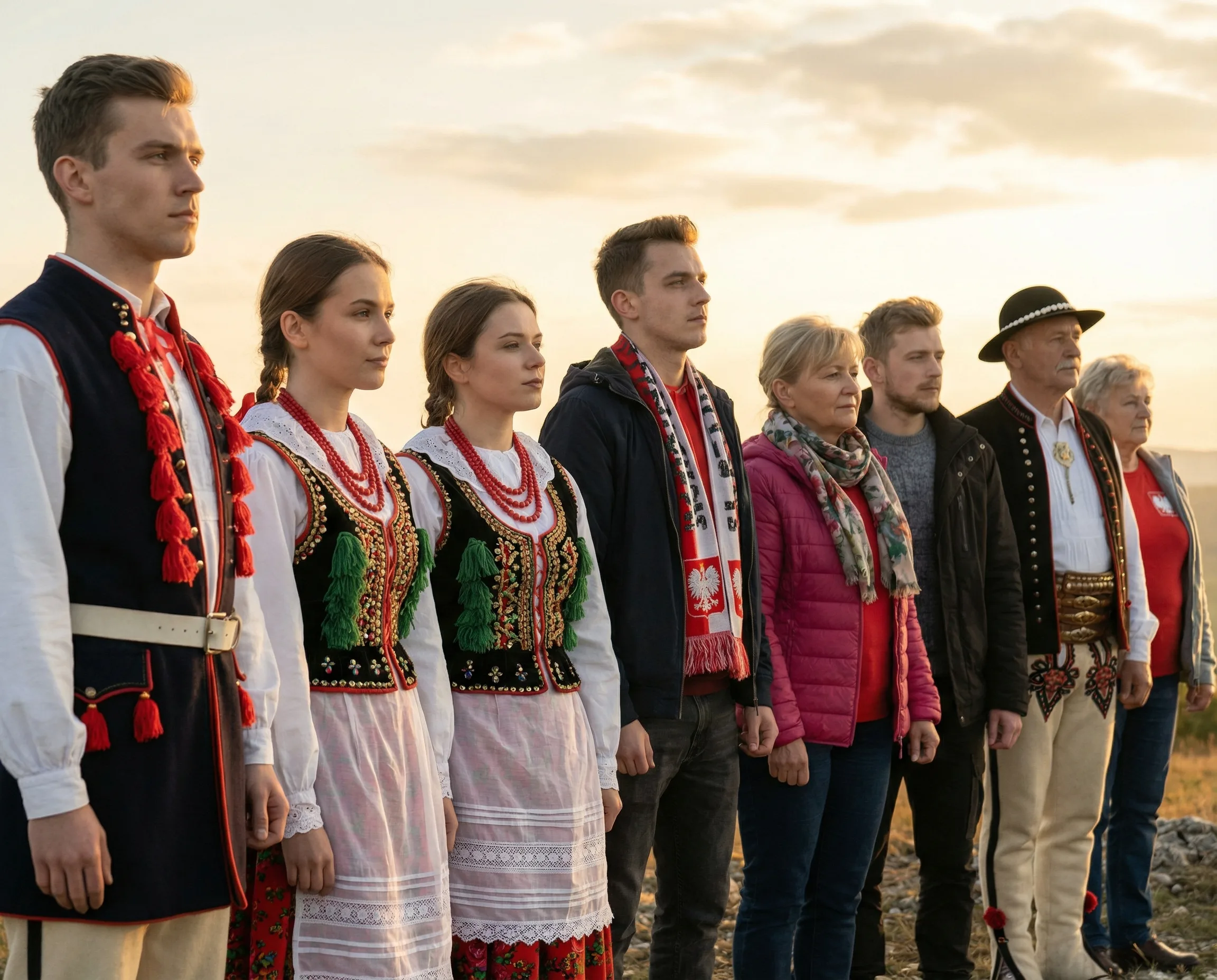
Across the country, a civic initiative has started collecting signatures to push back.
Their message is clear — and dramatic:
- Poland is being pressured into mandatory migrant relocation
- Refusal could mean millions in fines
- Decisions are being made outside the country
- And the consequences?
Felt locally — on streets, in communities, in everyday life
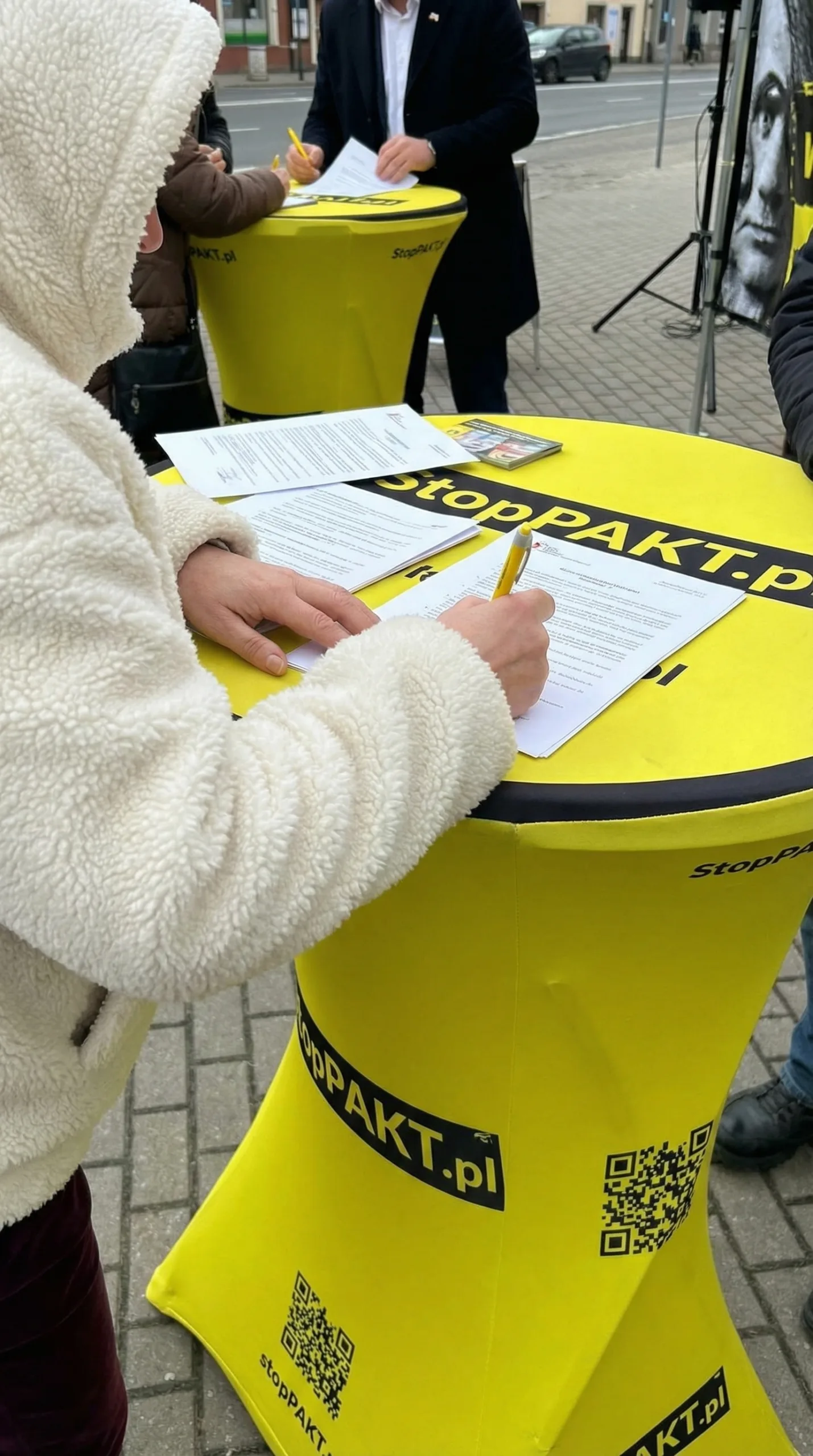
They’re calling it a fight for:
Security
Control of borders
National sovereignty
They need 100,000 signatures to move forward.
And they’re not just posting online — they’re out there, city to city, making noise.
Fear, Reality… or Overreaction?
Here’s where it gets complicated.
Because depending on who you ask, this is either:
a necessary EU-wide system of responsibility,
or
a loss of control that could reshape the country fast
Critics warn about:
- rising costs
- pressure on public services
- integration challenges
- and security concerns seen in parts of Western Europe
Supporters argue:
- solidarity matters
- Europe needs shared solutions
- and fear is being amplified
So Why Is Poland Even Considering This?
That’s the question a lot of people are asking.
Is the government out of options?
Is this pressure from Brussels?
Or is this a political choice?
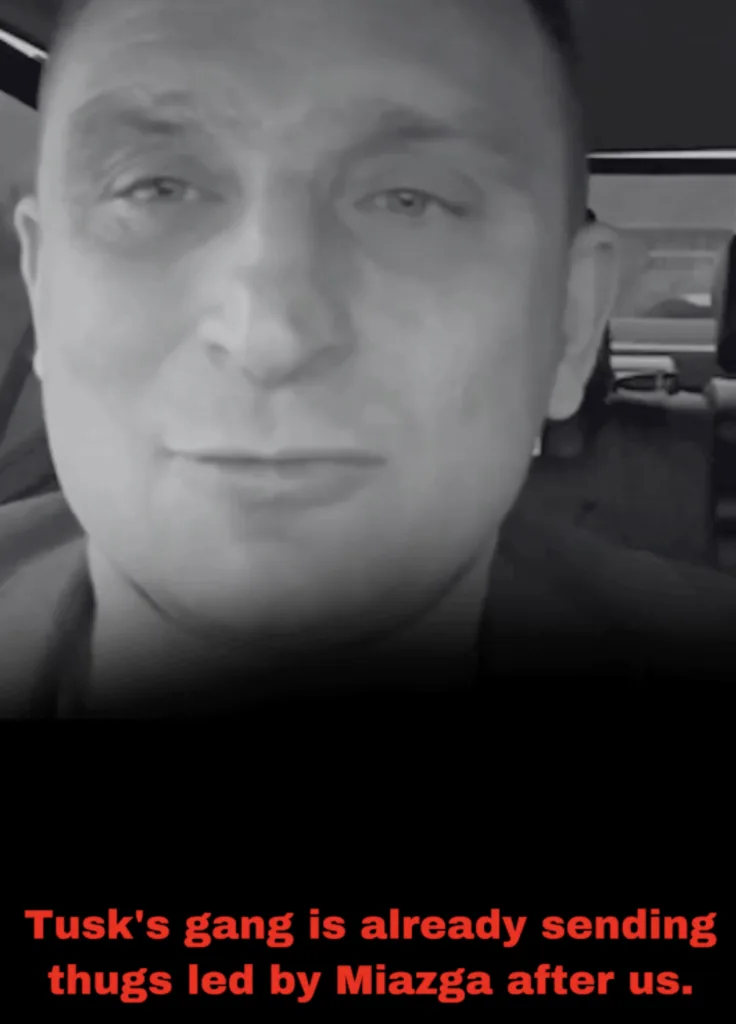
Names like Donald Tusk are already being thrown into the conversation — fairly or not.
But one thing is clear:
Public opinion and political direction might not be fully aligned right now.
A Personal Take (From an Immigrant)
I’ll be straight.
I’m not a politician. I’m not here to tell people what to think.
But I am an immigrant in Poland.
I’ve learned the language. Built a business. Created jobs. Integrated.
And honestly?
One of the reasons I chose Poland is because of how it handles immigration.
It’s structured. It’s controlled. It makes sense.
I’ve seen what happens when things aren’t controlled — in other countries.
And yeah… I won’t lie:
I’m watching this closely too.
What Happens Next?
That’s the real question.
Is this a genuine turning point?
Or just political noise that will settle?
Will Poland stay on its current path — or be pulled into a wider EU system?
Right now, nobody knows for sure.
Your Turn
What do you think?
Should Poland keep tight control?
Should it align more with the rest of the EU?
Is this fear justified — or overblown?
If you want to check out or support the initiative collecting signatures, you can visit:
https://stoppakt.pl/
One thing’s certain…
This conversation isn’t going away anytime soon.