






On Friday morning, the District Court in Poznań made a decision that will divide this city. 59-year-old Zbigniew G., who admitted to stabbing his wife Małgorzata to death in the summer of 2024, will not go to prison. The court discontinued the proceedings. He walked out of custody a free man.
Let that sink in.
He confessed. He described how he stabbed her. She fell. She screamed. He called a neighbour and said: “Look what happened.” The autopsy revealed dozens of stab wounds. A brutal killing inside what, by all accounts, was seen as a stable family home.
And yet, the verdict was not “guilty.”
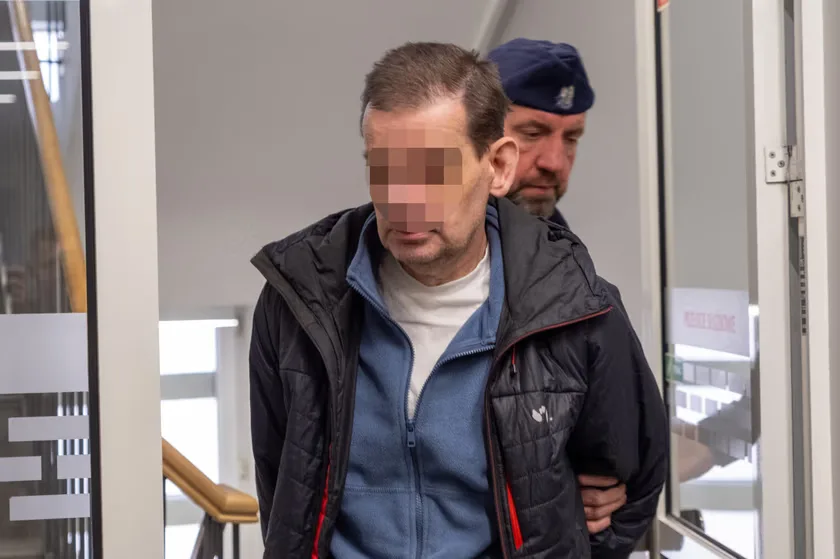
According to expert psychiatric opinions presented in court, Zbigniew G. had a significantly limited ability to understand his actions at the time of the crime. The judge ruled that he could not control his behaviour. Because of that, criminal responsibility was excluded. The case was dismissed.
No prison sentence.
No psychiatric hospital.
Only a recommendation for outpatient treatment.

The court stated there is no risk he will commit a similar act again! Really? Would you be alone in a room with him?
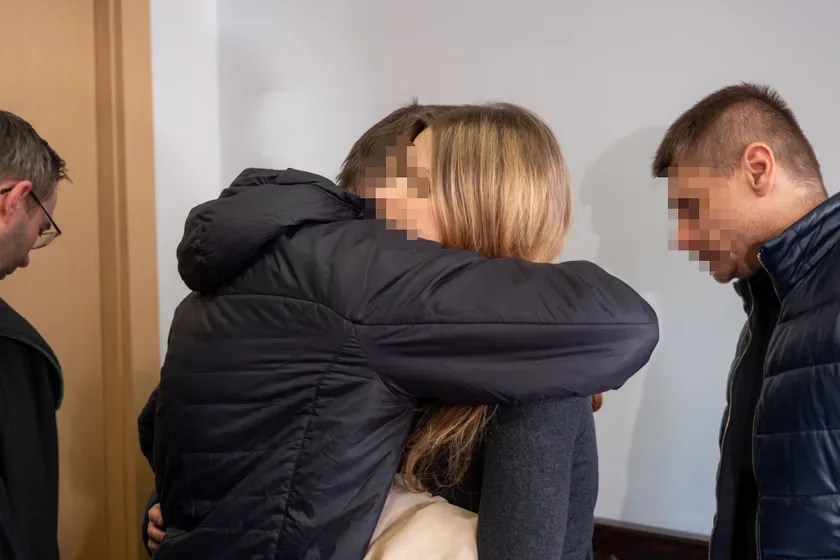
In the courtroom, the couple’s children stood by their father. They described him as loving. Devoted. A good man. After the verdict, he fell into their arms. They cried with relief.
But outside that courtroom, another question lingers:
What about Małgorzata?
What precedent does this set?
Mental illness is real. It destroys lives. It deserves serious treatment and compassion. But when a person confesses to killing their spouse and walks free because experts conclude he could not control himself — where does justice stand? How will future courts navigate similar cases? Could this open the door for defendants to lean on psychiatric arguments in domestic homicides?
And there’s another uncomfortable layer. Did the children’s powerful testimony — their loyalty, their pain — influence the emotional weight of the decision? Or was the judge simply bound by medical facts and legal standards?

The law says a person who cannot understand or control their actions cannot be punished in the traditional sense. That is a cornerstone of modern justice systems.
But emotionally, many will struggle with this outcome.
A woman is dead.
Her husband admitted killing her.
He is free.
Poznań now faces a difficult conversation: where is the line between illness and responsibility? And who carries the burden when that line erases a prison sentence?
This case may be closed in court.
In public debate, it’s only just beginning.