







The number of foreigners in Polish prisons has nearly doubled in recent years, and it’s raising serious questions.
According to the latest data, there were 1,267 foreign inmates at the end of 2020. Today, that figure has climbed to over 2,400. On paper, it looks like a dramatic surge. But the reality is more complex. That’s about 3–4% of all inmates.
Most foreign nationals behind bars are serving sentences for traffic-related incidents, public order offenses such as fights and robberies, and in some cases, serious crimes such a rapes and including murder.
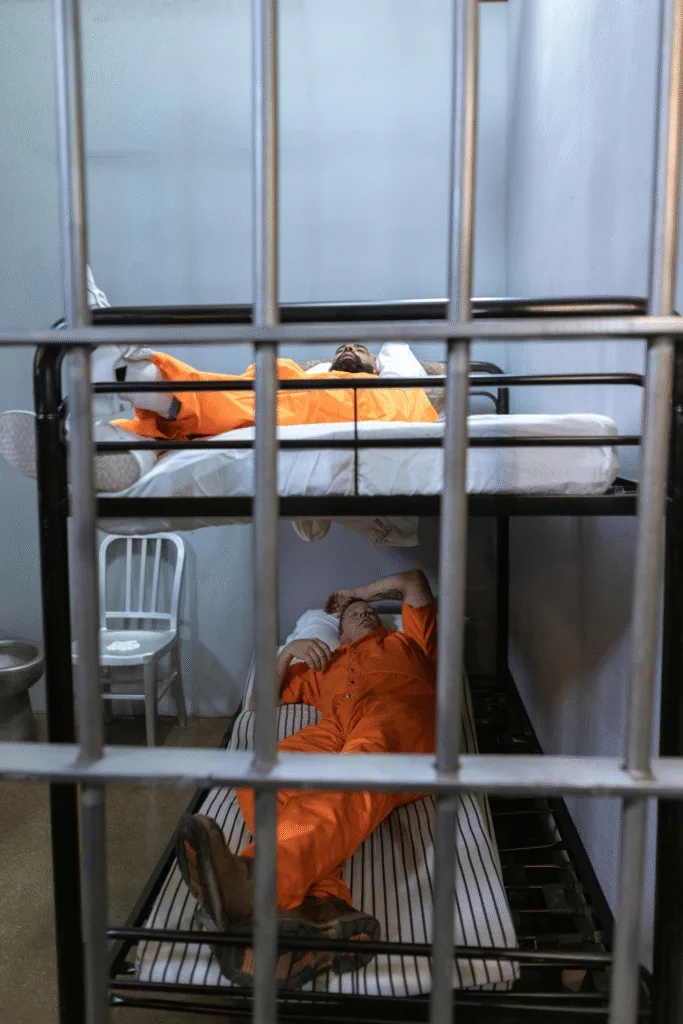
There’s no clear publicly available number specifically for Poznań prisons but we can assume that it’s relatively low and proportionate, not some hotspot.
The largest group are Ukrainians, followed by Georgians and Belarusians. There are also isolated cases involving individuals from countries like Morocco, Senegal, Rwanda, and even Finland.
However, one key detail often gets overlooked: Europeans very rarely commit crimes in Poland. Despite the increase in numbers, the vast majority of foreign residents are law-abiding, and the statistics reflect broader migration trends rather than a sudden wave of criminality.
Experts point to a shift in the profile of migration. Earlier waves of foreigners coming to Poland were generally more financially stable. Today, more people are arriving in difficult circumstances, and some struggle to adapt. According to criminologist Brunon Hołyst, this may contribute to a higher likelihood of certain individuals turning to crime.

At the same time, not all groups are seen as equally represented. While Ukrainians make up the largest number in absolute terms, experts suggest they are not disproportionately involved in crime. Attention is increasingly turning to other nationalities whose presence in prison statistics has risen more sharply.
So what do these numbers really mean? Is Poland facing a growing issue with foreign crime, or simply seeing the effects of changing migration patterns?