



Kraków Mass Shooting: How Rare Is Gun Violence in Poland — and Is That Changing?
Six people killed in Kraków. A country in shock. And a disturbing question: in a nation where mass shootings have been exceptionally rare, are the warning signs changing?
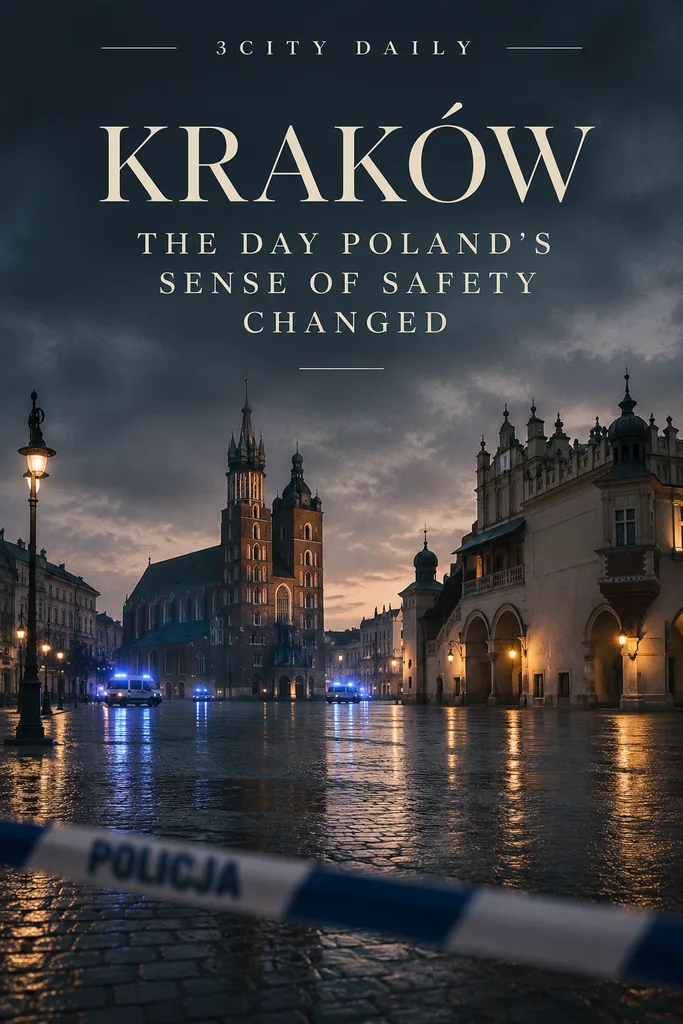
Saturday afternoon in Kraków should have been ordinary. Tourists taking photographs, cafés filling up and people crossing one of Europe’s most famous market squares.
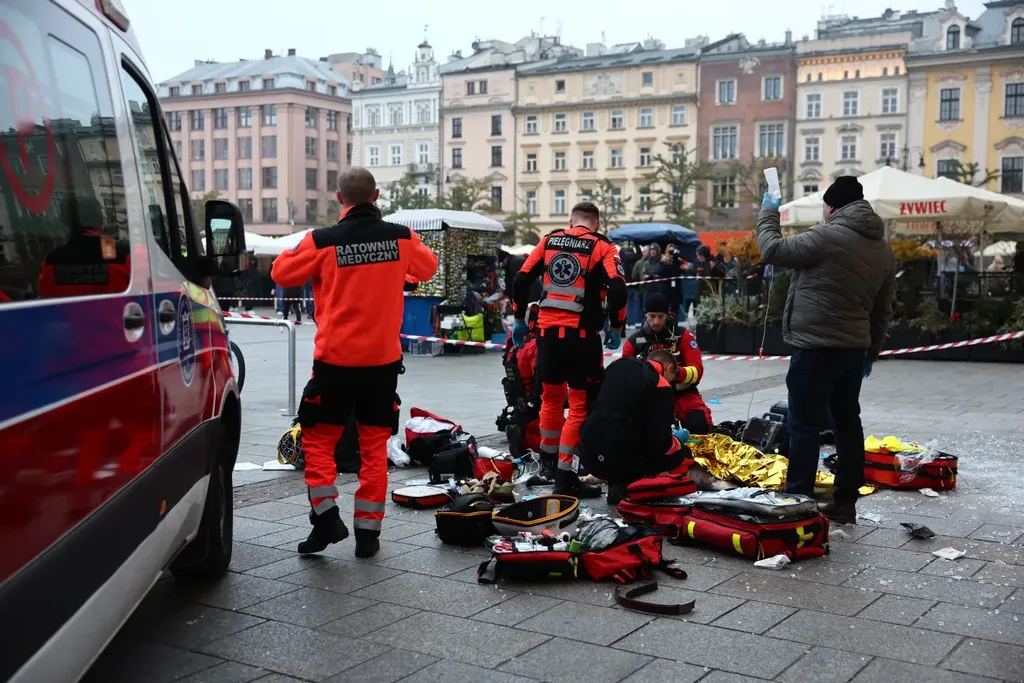
Instead, shortly after 3pm on 7 November, a gunman opened fire in the historic city centre.
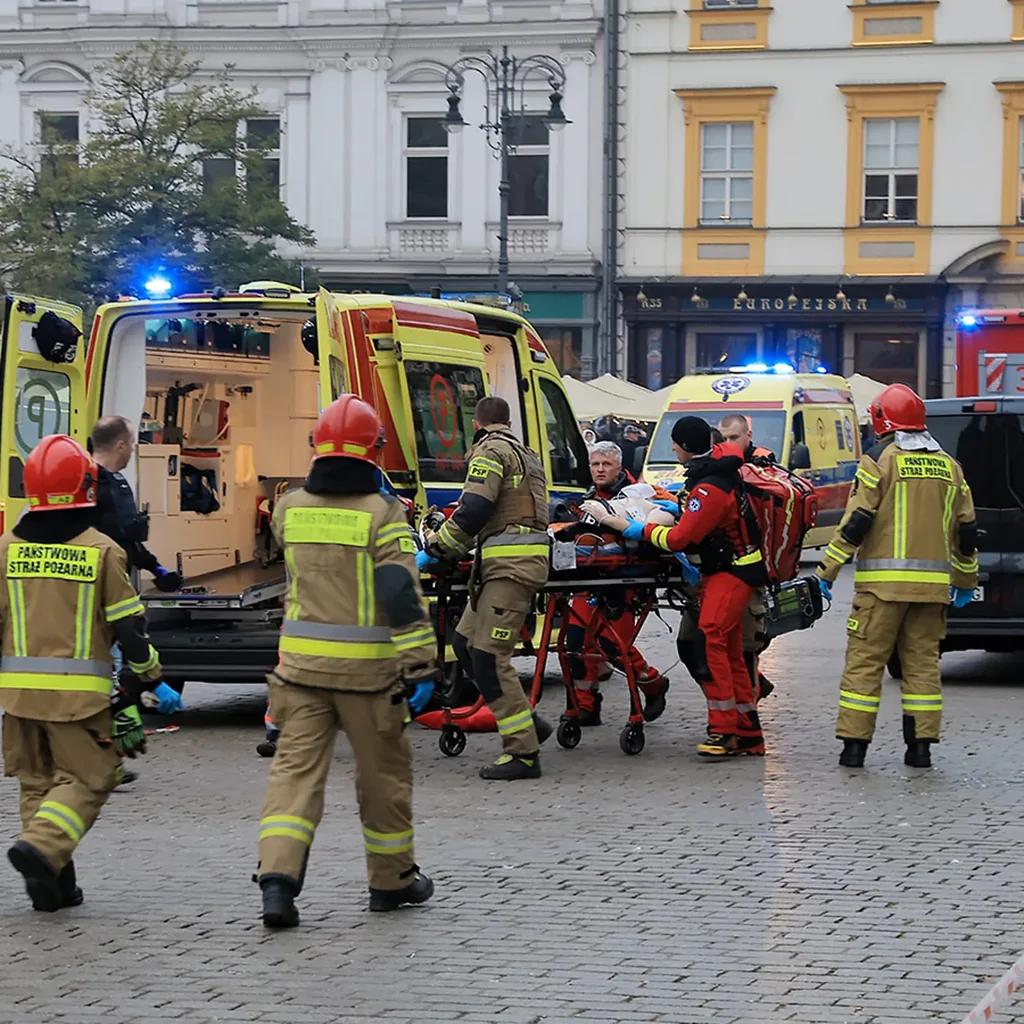
Six people were killed and at least 15 injured, according to the initial official figures. Police shot and detained the suspect. Investigators are examining the motive and circumstances of the attack.
For Poland, this wasn’t simply another violent crime. It was the kind of mass shooting that many residents associate with news from abroad, not with an afternoon in Kraków.
And that makes the bigger question impossible to ignore.
Poland Has Been Here Before — But Rarely
Mass shootings are not completely unknown in Poland. Yet incidents involving multiple shooting deaths remain unusual, particularly attacks on strangers in crowded public places.
In March 2007, a prison guard in Sieradz shot and killed three police officers during a prisoner transport operation.
Nearly two decades later, Kraków has suffered an attack on a different scale: six people killed in a public square, with ordinary pedestrians among the victims.
These are not identical crimes, and there is no reliable single national count of mass shootings without first defining what qualifies. But the comparison illustrates why Saturday’s violence has shaken the country so deeply.
Poland has experienced deadly shootings before. What it has rarely experienced is this kind of indiscriminate violence in the middle of a major tourist destination.
The Number That Should Get Poland Talking
Here’s where the story becomes more complicated.
Poland’s civilian gun ownership has been growing rapidly.
At the end of 2025, official police statistics recorded:
- 1,037,778 registered civilian firearms
- 411,769 active firearms permits
- 50,709 new permits issued during 2025
Back in 2021, the number of registered civilian firearms was 658,379.
That means the registered total increased by approximately 58% in just four years.
Much of the growth followed Russia’s full-scale invasion of Ukraine, as more Poles became interested in shooting sports, collecting firearms and personal security.
But more registered guns do not automatically mean more mass shootings. Nor do these figures establish whether the Kraków attacker used legally owned weapons.
A Warning That Came Before Kraków
In May 2026, Poland’s Supreme Audit Office, NIK, published a report raising concerns about weaknesses in the country’s firearms oversight.
Its findings included gaps in ongoing monitoring of licence holders and the implementation of European firearms requirements.
The report did not predict an attack like Kraków. But it raised an uncomfortable question months before Saturday’s tragedy: is Poland’s firearms supervision keeping pace with the growing number of weapons?
That’s a question worth asking without jumping to conclusions about the suspect or the weapon used.
Is Poland Becoming Less Safe?
One mass shooting cannot establish a national trend.
Poland remains a country where attacks of this kind are rare, and rising gun ownership alone is not evidence that public violence is becoming more common.
But Kraków changes something harder to measure: the feeling that this simply couldn’t happen here.
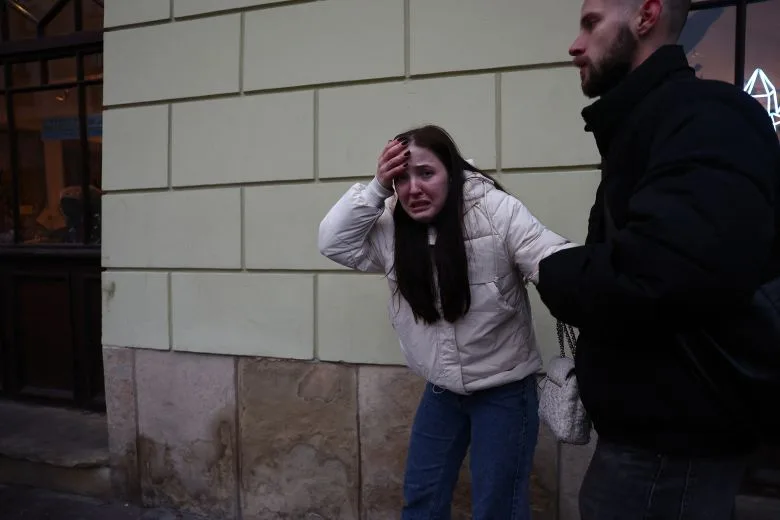
Six people have lost their lives. Families are grieving. A city is trying to understand what happened.
Poland’s record of avoiding mass shootings has been a source of reassurance for years. Kraków is a devastating reminder that being rare doesn’t mean being impossible.
And the country’s response now matters far more than the shock of the headlines.